
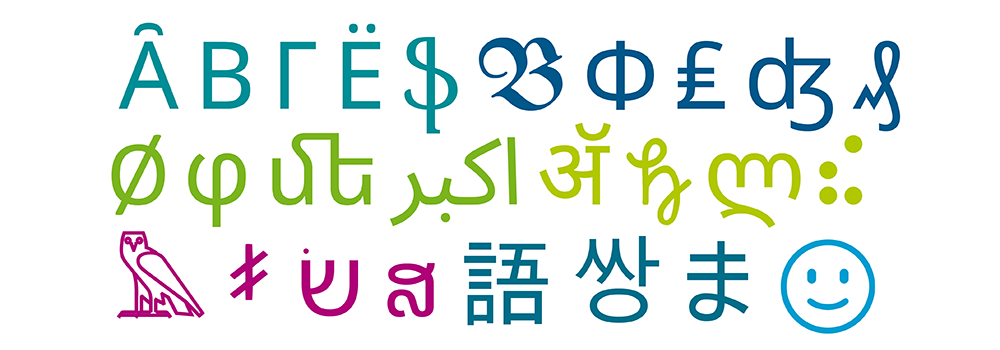
Ultralingualism: The Disassociation of Language from Meaning
This book offers an introduction to the commonly observed, but generally ignored or misrepresented, practice of using language when referential (semantic) meaning is problematic, partial or even absent.
The concept and term ‘ultralingualism’ accounts for language performance or use where meaning in the conventional sense lies elsewhere to, or beyond (ultra-), the performer and/or the listener/audience. This book argues for the adoption of the term ‘ultralingualism’ as an important and previously absent heuristic as a means of capturing the diverse language practices where this language phenomenon occurs.
The book adopts a dynamic and inter-disciplinary theoretical framework that encompasses a range of complementary approaches: linguistic sound or the ‘sonic’ element of language (real and invented), non-semantic/non-referential language usage, post-vernacular performance, Bauman’s heightened performance theory, the ethics of translation, theories linking language and music, and language maintenance and shift theory.
The author presents a range of contexts where ultralingualism can be found including in religious, musical, multilingual literacy, academic, artistic/creative (including popular music) and language revival settings. He shares multifaceted data that illustrate how and why ultralingualism manifests itself in diverse contexts, including interview data; field notes from a number of observations of both live and online ultralingual performances; questionnaire data surveying and documentary exemplifying educational ultralingualism; a review of related literature; personal communications; and analyses of digital texts featuring ultralingualism (including YouTube performances and their BTL comments), and argues that despite the absence of referential meaning, meaning-making still occurs.
zum Buch im ULB-KatalogPlus
zum Buch auf der Verlags-Website
Contagion and the vampire: the vampiric body as locus of disease and global epidemics in 21st century
This book examines how the vampire has always been connected to ideas of infection, pollution and disease—even more so in the 21st century where it expresses the horrors of unseen and unstoppable disease and the foreboding and anxiety that accompany viral outbreaks and wider epidemics. Here the vampire gives physical form to the contagion and associated anxieties around the perceived causes and spread of disease, where it can take on many forms from animal to pestilential particulate matter, creeping shadows and even malignant weather systems. If blood is life, it is the body of the vampire that is death. This timely study looks at how and why the vampire continues to fulfil this function and posits that the true patient zero in the 21st century is no longer the dangerous, ancient, outsider from the East but is the undying monster that is Western culture itself.
zum Buch im ULB-KatalogPlus
zum Buch auf der Verlags-Website
Weitere Titel können Sie in unseren Neuerwerbungslisten für die Philologien im Fach-Cluster Geisteswissenschaften 2 entdecken!

Schreibe einen Kommentar