
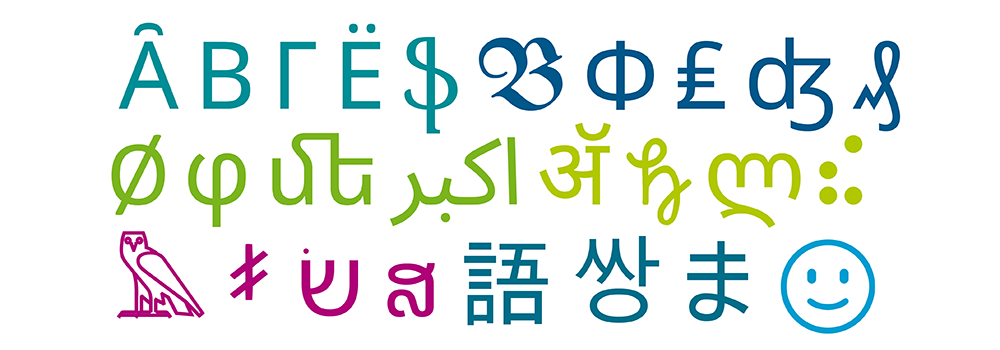
An Atlas of Endangered Alphabets: writing systems on the verge of vanishing
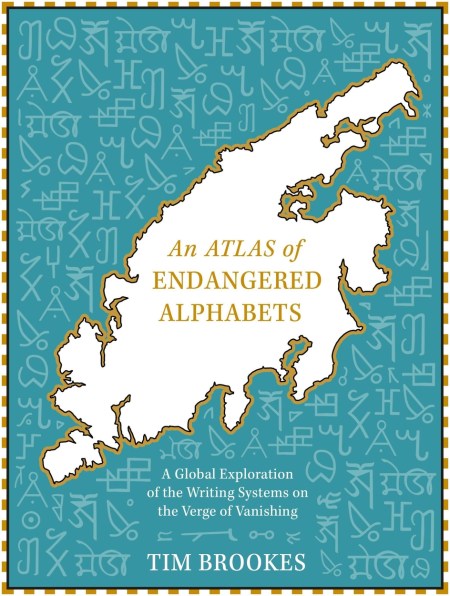 A global exploration of the many writing systems that are on the verge of vanishing, and the stories and cultures they carry with them.
If something is important, we write it down. Yet 85% of the world’s writing systems are on the verge of vanishing – not granted official status, not taught in schools, discouraged and dismissed.
When a culture is forced to abandon its traditional script, everything it has written for hundreds of years – sacred texts, poems, personal correspondence, legal documents, the collective experience, wisdom and identity of a people – is lost.
This Atlas is about those writing systems, and the people who are trying to save them. From the ancient holy alphabets of the Middle East, now used only by tiny sects, to newly created African alphabets designed to keep cultural traditions alive in the twenty-first century: from a Sudanese script based on the ownership marks traditionally branded into camels, to a secret system used in one corner of China exclusively by women to record the songs and stories of their inner selves: this unique book profiles dozens of scripts and the cultures they encapsulate, offering glimpses of worlds unknown to us – and ways of saving them from vanishing entirely.
zum Buch im ULB-KatalogPlus
zum Buch auf der Verlags-Website
Repression and Resistance: A Feminist Interpretation of Select Holocaust Novels
 The Holocaust, one of history’s darkest chapters, not only annihilated millions but also shattered the human conscience. Amidst this devastation, women bore unique and often overlooked forms of suffering—subjected to forced deportation, sexual violence, and the systematic erasure of identity. This book offers a pioneering feminist reading of Holocaust fiction, focusing on five novels—Sophie’s Choice by William Styron, The Reader by Bernhard Schlink, Torn Thread by Anne Isaacs, The Kommandant’s Girl by Pam Jenoff, and Saving Amelie by Cathy Gohlke. Through these narratives, it examines how women’s bodies and minds became sites of both oppression and defiance. Interweaving historical insight, psychological depth, and gender analysis, the study reclaims women’s voices from the margins of Holocaust memory, illuminating their endurance, agency, and quiet resistance. A valuable contribution to Holocaust and feminist literary studies, this book underscores the indomitable resilience of the human spirit.
zum Buch im ULB-KatalogPlus
zum Buch auf der Verlags-Website
Weitere Titel können Sie in unseren Neuerwerbungslisten für die Philologien im Fach-Cluster Geisteswissenschaften 2 entdecken!

Schreibe einen Kommentar